
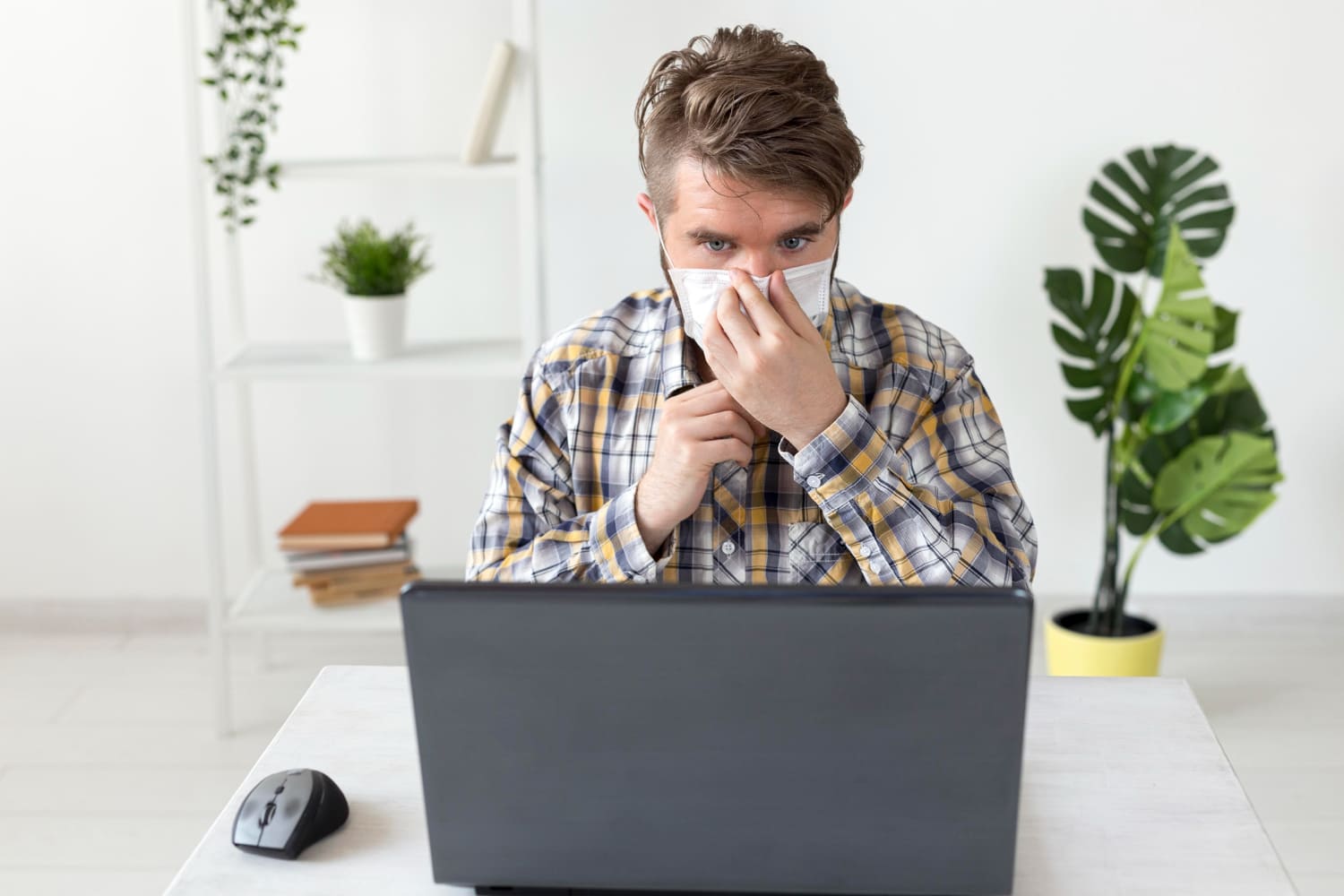
We spend nearly a third of our lives at work often in enclosed spaces with limited ventilation, artificial lighting, and plenty of dust-collecting surfaces. So it’s no surprise that many employees report frequent sneezing, itchy eyes, fatigue, or congestion without realizing the culprit might be allergies in the office.
This article aims to inform, not alarm. By understanding the most common workplace allergens and how to manage them, businesses can take simple steps to improve employee well-being, productivity, and satisfaction.
What Are Allergies in the Office?
Allergies in the office refer to allergic reactions triggered by substances present in the workplace environment. These reactions happen when the immune system overreacts to normally harmless particles like dust, pollen, or chemicals.
Unlike contagious illnesses, allergies aren’t transmitted between coworkers but they can significantly affect performance, morale, and overall health if left unaddressed.

Common Causes of Allergies in the Office
1. Dust mites
Dust mites thrive in carpets, upholstered furniture, curtains, and even office chairs. If not cleaned thoroughly and regularly, these microscopic pests can accumulate and cause year-round allergic reactions.
2. Mold
Mold spores are airborne allergens often found in damp areas like kitchens, restrooms, ceilings with leaks, or poorly ventilated spaces. Even in small amounts, mold can trigger sneezing, asthma, and sinus congestion.
3. Pollen
Although an outdoor allergen, pollen easily enters offices through open windows, air conditioning systems, or even on clothing. Seasonal peaks often worsen symptoms in spring and fall.
4. Cleaning products
Some cleaning agents and air fresheners contain volatile organic compounds (VOCs) that irritate the respiratory system. Sensitive employees may react even if the product smells pleasant to others.
5. Perfumes and personal scents
Strong colognes, body sprays, and scented lotions can become airborne irritants. While not allergens in the traditional sense, they can still provoke reactions in sensitive individuals.
6. Pet dander
In pet-friendly workplaces or when employees carry pet hair on their clothing dander can circulate in the air and settle on surfaces, aggravating allergies for others.
Common Symptoms of Allergies in the Office
Workplace allergies can look like mild cold symptoms, making them harder to identify. However, if symptoms persist during office hours and improve when away from work, the cause is likely environmental.
- Sneezing fits
- Runny or stuffy nose
- Itchy or watery eyes
- Scratchy throat
- Persistent dry cough
- Sinus pressure or headaches
- Brain fog or difficulty concentrating
- Fatigue
In severe cases, allergies may even exacerbate asthma or lead to skin rashes.
The Impact of Workplace Allergies on Employee Performance
Allergies in the office do more than cause discomfort. They also affect mental clarity, focus, and overall productivity:
- Increased sick days and absenteeism
- Decreased concentration
- Higher stress levels
- Reduced job satisfaction
- Potential turnover if discomfort is ignored
For employers, this translates into reduced efficiency and avoidable costs. Addressing indoor allergens is not just a health matter—it’s a smart business move.

How to Minimize Allergies in the Office
Creating an allergy-friendly environment doesn’t always require big changes. Simple, consistent actions can go a long way toward creating a healthier workspace for everyone.
✅ 1. Improve cleaning practices
- Use HEPA-filter vacuum cleaners to trap allergens
- Regularly clean carpets, drapes, upholstery, and desk surfaces
- Opt for unscented, non-toxic cleaning products
- Wipe down keyboards, phones, and electronics weekly
✅ 2. Ventilate properly
- Ensure HVAC systems are regularly maintained
- Replace air filters as recommended
- Open windows when possible (during low pollen seasons)
- Consider portable air purifiers in enclosed spaces
✅ 3. Monitor and control moisture
- Fix leaks and water damage immediately
- Use dehumidifiers in damp areas
- Clean and ventilate bathrooms and kitchenettes
- Avoid overusing humidifiers
✅ 4. Develop a scent-free policy
- Encourage staff to limit personal fragrances
- Choose fragrance-free soaps and air fresheners
- Post signage promoting a low-scent environment
✅ 5. Choose allergy-friendly plants
Not all indoor plants are safe for allergy sufferers. Good options include:
- Snake plant (Sansevieria)
- Spider plant (Chlorophytum)
- Dracaena
- Bamboo palm
These not only purify the air but are less likely to produce pollen or mold.
The Company’s Role Shared Responsibility
Dealing with allergies in the office isn’t the sole responsibility of the cleaning team. A coordinated effort between HR, facilities, management, and employees is essential for a sustainable, healthy environment.
Consider implementing:
- Regular environmental audits
- Anonymous surveys to detect common complaints
- Staff training on allergen awareness
- Clear communication about cleaning and maintenance protocols
- Emergency action plans for employees with severe allergies
Even small steps like changing the air filters more often or replacing a scented cleaning spray can dramatically improve workplace comfort.
Are Allergies in the Office Preventable?
While it’s difficult to eliminate allergens entirely, reducing their presence and controlling their effects is both possible and effective. The goal isn’t to create a sterile environment, but one where everyone can breathe easier, work better, and feel more comfortable.
By addressing indoor allergens proactively, you promote a culture of care and responsibility and that shows up in employee morale, retention, and performance.
Start Building a Healthier Office Today
Allergies in the office may be invisible, but their impact is very real. From reduced productivity to employee discomfort, ignoring the signs only makes things worse over time.
Want a simple way to begin? Start by reviewing your current cleaning routines and asking your team how they feel during the workday. Awareness is the first step toward action and every small improvement makes a big difference.
Your workplace should be a space where people can thrive—not sneeze through their shift.